
Best Physiotherapy Home Service in Dhaka
- Posted 2 days ago
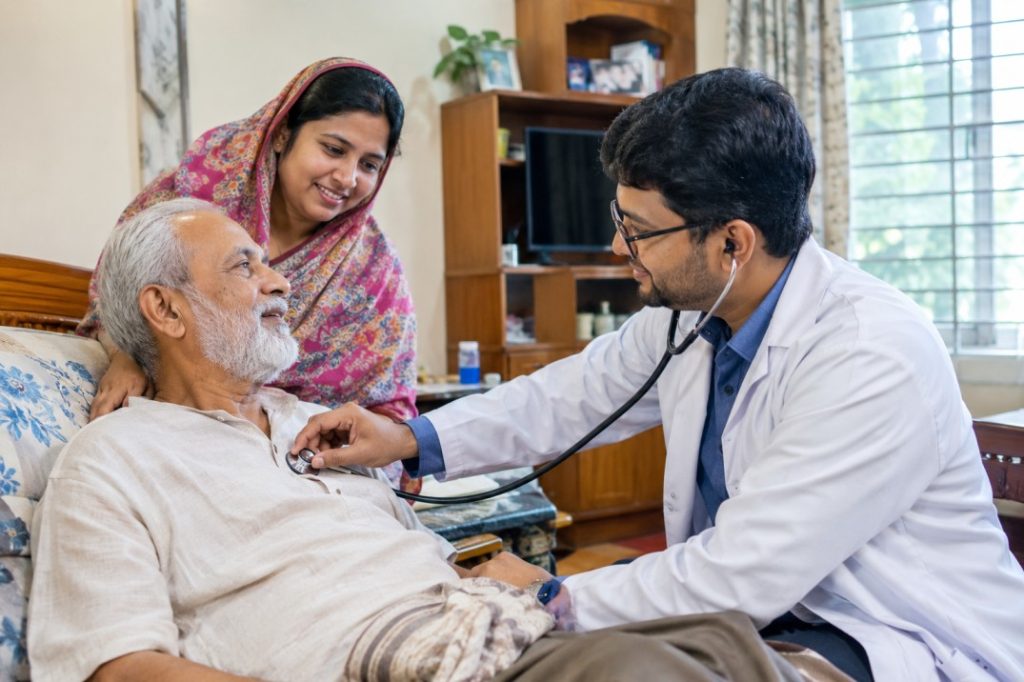
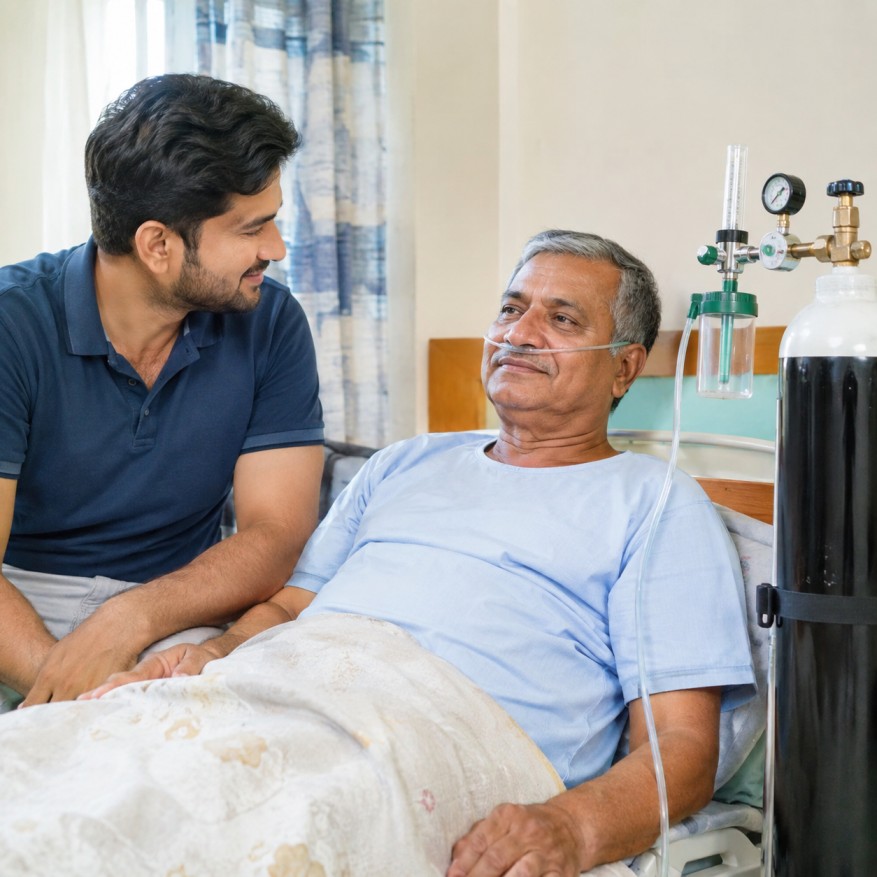


Finding someone trustworthy to care for an elderly parent, bedridden patient, or loved one recovering at home can be a difficult responsibility. Families often have work, education, household commitments, and other responsibilities, yet the need for dependable daily care does not disappear. This is where a professional caregiver service provider in Bangladesh can make home care more manageable. Maisha Care provides home-based caregiver support designed around the everyday needs of patients, elderly individuals, and people who require assistance with daily activities. Its website describes services including caregiver support, elderly care, patient assistance, mobility support, hygiene assistance, feeding, medication reminders, companionship, and other home-care needs.
Maisha Care is a home healthcare service provider offering caregiver, nursing, and other home-based healthcare solutions in Bangladesh. The organization describes its mission as making professional healthcare more accessible within the familiar environment of a patient’s home. Instead of requiring families to manage every aspect of daily assistance themselves, professional caregivers can provide practical support while family members remain involved in important decisions and emotional support. Maisha Care’s current website presents caregiver support as part of a broader home healthcare service that also includes nursing care, doctor home visits, physiotherapy, medical equipment, medicine delivery, and other services.
The idea behind home care is simple: care should fit the person, not force the person to fit a rigid routine. An elderly parent may need help with bathing and walking, while a recovering patient may need assistance with feeding, mobility, and daily routines. Someone living with a long-term condition may require regular supervision and companionship. Maisha Care states that it focuses on personalized and patient-centered support, helping families arrange care according to individual circumstances. Its stated slogan, “Have Faith, Stay Healthy,” reflects its focus on providing healthcare support within the home.
Home-based caregiving is more than simply having another person present in the house. A caregiver may become part of a patient’s daily routine, which means respect, patience, communication, and reliability matter just as much as practical assistance. Maisha Care describes its caregiver services as personalized support for elderly, sick, recovering, and other individuals who require assistance at home. The company’s caregiver page also identifies services such as personalized care plans, daily living assistance, companionship, respite support, and specialized support.
A thoughtful home-care approach also recognizes that every family has different expectations. Some families may need support for a few hours each day, while others may need longer coverage. Some patients may be physically independent but need companionship and reminders, whereas others may require substantial help with movement, hygiene, or feeding. By discussing the individual’s condition and daily requirements before arranging care, families can better understand what type of caregiver support is appropriate for their situation.
A professional caregiver service in Bangladesh can help families manage the practical side of caring for someone at home. Caregivers can assist with activities that may become difficult because of age, illness, disability, weakness, recovery after hospitalization, or reduced mobility. Depending on the agreed service, support can include personal hygiene, dressing, feeding, mobility assistance, companionship, and medication reminders. Maisha Care’s current caregiver service information specifically lists assistance with daily activities, patient feeding, medication reminders, mobility, hygiene, companionship, and monitoring/reporting as components of its service offerings.
Professional support can be especially useful when family members cannot remain beside a loved one throughout the day. Imagine a family where everyone has responsibilities outside the home. One person works during the day, another manages children, and another lives in a different city. The patient still needs assistance with meals, movement, hygiene, and routine activities. A caregiver can help bridge that practical gap while family members continue to provide emotional support and remain involved in the patient’s care decisions.
A caregiver’s responsibilities depend on the patient’s needs and the service arrangement. In general, caregivers provide non-clinical daily support that helps an individual remain comfortable, safe, and as independent as possible at home. This can involve helping someone get out of bed, assisting with bathing and dressing, supporting mobility, helping with meals, providing companionship, or reminding a patient to follow a prescribed medication schedule. Medical procedures that require qualified healthcare professionals should be handled by appropriately qualified nurses or medical practitioners rather than being assumed to be part of ordinary caregiver duties.
Maisha Care’s caregiver service information describes daily living assistance such as bathing, dressing, mobility, feeding, meal preparation, and medication reminders, while also highlighting companionship and personalized care. This distinction is important because families should clearly communicate the patient’s requirements before hiring a caregiver. When the responsibilities are understood from the beginning, families and caregivers have a clearer understanding of expectations, boundaries, schedules, and the level of support required.
Maisha Care offers caregiver support for a range of home-care requirements. The company’s current service information includes elderly care, patient care, post-surgery support, daily living assistance, feeding, hygiene care, mobility support, companionship, respite care, and specialized support. The exact service arrangement should depend on the patient’s condition, routine, family requirements, and the availability of appropriate caregivers.
The purpose is not to provide the same routine to every person. A caregiver supporting an elderly person who can walk independently will have a different daily routine from one supporting a bedridden patient. Similarly, someone recovering after hospitalization may need temporary assistance until independence improves. A personalized approach makes it easier to focus on what the person actually needs instead of adding unnecessary tasks to the care routine.
Elderly individuals may need assistance with everyday activities that were once effortless. Getting dressed, walking safely, preparing meals, maintaining personal hygiene, and remembering routine tasks can become challenging with age or illness. A caregiver can provide practical assistance while encouraging the individual to remain involved in activities they can still perform independently. This balance can help preserve dignity rather than making the person feel completely dependent.
Patient care can involve similar forms of support. A patient recovering at home may need help moving around, eating meals, maintaining hygiene, or following a daily routine. Maisha Care identifies elderly and patient support as part of its caregiver and home healthcare services. Families can discuss the patient’s condition and requirements with the service provider to determine what type of caregiver arrangement is suitable.
Daily living assistance is often one of the most valuable parts of home caregiving because small activities can become major challenges when someone is weak or unwell. Caregivers may assist with bathing, dressing, grooming, feeding, walking, repositioning, and other routine activities, depending on the agreed service. Maisha Care specifically lists daily living assistance, personal care, feeding, mobility, hygiene, and related support within its caregiver service information.
Personal care requires patience and respect. A caregiver may need to assist with activities that a person previously handled privately and independently. The right approach is therefore not simply to complete the task quickly but to protect the individual’s dignity throughout the process. Clear communication, respectful language, privacy, and sensitivity can turn routine assistance into genuinely supportive care.
Bedridden patients often require more consistent assistance because limited movement can affect almost every part of their daily routine. Getting into a comfortable position, eating meals, maintaining hygiene, moving safely, and communicating their needs can become difficult without support. Family members may provide much of this care, but doing it continuously can be physically and emotionally demanding. Professional caregiver support can provide families with an additional layer of practical assistance at home.
Maisha Care’s caregiver service is positioned for elderly individuals, post-surgical patients, people with chronic conditions, disabled individuals, and people who require long-term care. For a bedridden patient, families should explain the patient’s mobility limitations, daily routine, feeding requirements, hygiene needs, and any special instructions before service begins. If the patient requires clinical procedures, those needs should be discussed separately so that appropriately qualified healthcare professionals can be arranged where necessary.
Returning home after hospitalization can feel like stepping into a new routine. The hospital may have provided structured assistance throughout the day, but once the patient returns home, family members may suddenly have to manage meals, mobility, hygiene, appointments, medication schedules, and other responsibilities. A caregiver can help with the practical aspects of daily life during this transition. Maisha Care identifies post-hospital and post-surgery support among the types of home-care assistance it provides.
Recovery is rarely identical for two people. One person may become independent within a short period, while another may require longer support. That is why families should regularly reassess what the patient can and cannot do independently. As the patient’s condition changes, the caregiver arrangement may also need to change. Home care should work like a flexible bridge between dependence and greater independence rather than becoming an unnecessary permanent routine.
Mobility assistance can be essential for people who have difficulty walking or changing position safely. A caregiver may help a patient move around the home, transfer between appropriate locations, or maintain a daily routine according to the agreed care plan. Hygiene assistance can include support with bathing, dressing, grooming, and other personal-care activities. Feeding assistance may involve helping the patient eat meals safely and maintaining a consistent mealtime routine.
Companionship is another important part of caregiving that is sometimes overlooked. Physical needs are visible, but loneliness can be difficult to recognize. Elderly people who spend much of their day alone may benefit from conversation, social interaction, and simple activities. Maisha Care’s caregiver service describes companionship and emotional support as part of its home-care approach. A caregiver’s presence can therefore provide both practical assistance and human connection.
No two households have exactly the same care requirements. One family may need a caregiver during daytime hours, while another may require continuous support. One patient may need assistance mainly with mobility and hygiene, while another may need extensive help with feeding and daily activities. Maisha Care states that it creates customized care plans based on clients’ health requirements, preferences, and lifestyle.
A personalized plan begins with a conversation. Families should explain the patient’s age, condition, mobility level, daily routine, dietary needs, personal-care requirements, preferred schedule, and any relevant restrictions. It is also useful to explain the home environment and the responsibilities expected from the caregiver. When expectations are clear, the caregiver can focus on meaningful support rather than guessing what the family wants.
For families searching for caregiver service in Dhaka, location can be an important practical consideration. Maisha Care provides home healthcare and caregiver services in Dhaka and identifies neighborhoods including areas such as Gulshan, Banani, Uttara, and Mirpur on its website. Service availability, caregiver assignment, schedules, and coverage should be confirmed directly with the provider because arrangements can depend on the patient’s requirements and current availability.
Home care in Dhaka can be particularly useful for families who want an elderly parent or recovering patient to remain in a familiar environment. Instead of changing the patient’s surroundings unnecessarily, support can be brought to the home. This can also make it easier for family members to remain connected to the person’s daily life. Before arranging a service, families should confirm the caregiver’s duty hours, responsibilities, replacement arrangements, pricing, and any additional conditions.
Caregiver services can support many different groups. Elderly people may require help with daily activities, while bedridden patients may need assistance with mobility, feeding, and hygiene. People recovering after surgery or hospitalization may need temporary support while rebuilding strength and independence. Individuals living with disabilities or long-term conditions may also benefit from consistent home assistance.
Maisha Care specifically identifies elderly individuals, post-surgical patients, people with chronic diseases, disabled individuals, and people requiring long-term care among those who may benefit from its in-home caregiver service. Families should remember that a caregiver’s role is determined by the agreed care requirements. If a patient’s needs involve medical procedures or clinical monitoring beyond caregiver responsibilities, qualified nursing or medical support may be more appropriate.
Home-based care offers a familiar environment. For many elderly or recovering individuals, remaining in their own bedroom, surrounded by familiar people and belongings, can feel more comfortable than moving to an unfamiliar setting. Families can also remain involved in the person’s care while receiving practical assistance with everyday responsibilities. Maisha Care’s broader home healthcare model is built around delivering care within the patient’s home.
There is also a practical advantage. Instead of organizing every daily task around hospital visits, families can receive certain forms of support at home. This does not mean that home caregiving replaces hospitals, doctors, or nurses when medical treatment is necessary. Rather, it provides a supportive environment for appropriate daily care and assistance. The key is knowing which needs can safely be handled at home and which require professional clinical attention.
Choosing a caregiver is ultimately about trust. Families are inviting someone into their home to assist a person who may be elderly, vulnerable, sick, or physically dependent. Maisha Care describes its caregivers and nurses as trained and experienced and emphasizes personalized care, compassionate support, professional service, and continuous availability.
Maisha Care’s caregiver service page also describes professional caregivers, personalized care plans, daily living assistance, companionship, respite care, and specialized support. Families can therefore discuss their requirements before selecting an appropriate arrangement. The most useful starting point is an honest conversation about the patient’s condition, daily routine, required hours, and type of assistance.
Some patients need only daytime assistance, while others require someone to remain available for longer periods. Maisha Care currently publishes caregiver packages that include 12-hour and 24-hour arrangements, with different staffing levels and service features. Its published caregiver page lists a Basic package at ৳27,000 per month, a Standard package at ৳36,000 per month, and a Premium package at ৳48,000 per month at the time the page was accessed.
Pricing and package availability can change, so families should confirm the current price and inclusions directly before making a booking. A longer duty period is not automatically appropriate for every patient. The correct arrangement depends on the patient’s care requirements, household circumstances, and level of independence. Families should also clarify whether the package includes particular tasks, how caregiver replacement works, and what happens if the patient’s needs change.
Getting caregiver support can begin with a simple conversation. Families can contact Maisha Care and describe who requires care, where the person lives, what assistance is needed, and how many hours of support may be required. The provider can then discuss available options and help determine an appropriate service arrangement. Maisha Care’s website currently lists a hotline, customer-care number, email contact, and office address for inquiries and service arrangements.
The process can generally be approached in three practical stages:
Clear communication at the beginning makes the caregiving relationship easier for everyone involved.
Choosing a caregiver should not be based only on price. Families should consider the patient’s actual needs, the caregiver’s responsibilities, expected working hours, communication arrangements, and the provider’s replacement policy. It is also important to clarify whether the caregiver is expected to provide companionship, personal care, feeding assistance, mobility support, or other tasks. If the patient has clinical requirements, families should establish whether a nurse or another qualified professional is needed.
A useful conversation can cover the patient’s daily routine, personal preferences, sleeping schedule, dietary restrictions, mobility limitations, hygiene needs, emergency contacts, and household rules. Families should also discuss how concerns will be communicated. These details may seem small, but caregiving works best when everyone understands the same plan. The goal is not simply to hire someone; it is to establish a safe and respectful support system around the patient.
Some people need caregiver support for a short period, while others need assistance for months or longer. Long-term caregiving requires consistency because the caregiver may become familiar with the patient’s routine, preferences, communication style, and daily needs. Maisha Care describes its caregiver service as suitable for long-term care requirements as well as elderly, chronic-condition, disabled, and post-surgical support.
For long-term care, families should periodically review whether the existing arrangement is still appropriate. A patient’s mobility may improve, or a condition may change and require additional professional support. A care plan should therefore remain flexible. Regular communication between the family, caregiver, and service provider can help identify changes early and keep the arrangement aligned with the patient’s current needs.
Good caregiving combines practical help with human respect. An elderly person is not simply a list of tasks, and a patient is not defined only by an illness. People have preferences, emotions, habits, fears, and personal boundaries. A caregiver should therefore approach daily assistance with patience and dignity.
Maisha Care emphasizes compassionate, personalized, and professional home care across its current website. Families can support this approach by communicating respectfully with caregivers and explaining the patient’s preferences clearly. When everyone works together, home care can become more than a service arrangement; it can become a dependable support system for the individual and the family.
Families looking for a Caregiver Service Provider in Bangladesh can contact Maisha Care to discuss their home-care requirements. The company’s current contact page lists its hotline as +8801315092095, customer-care number as +8801718930914, email as info@maishacare.com, and office address as Ka-38, J.B. Tower, Progati Sarani, Nadda, Baridhara, Dhaka-1229, Bangladesh.
Before arranging service, families can explain the patient’s condition, required duty hours, type of assistance, location, and expected start date. This information can help the provider understand the care requirement and discuss available options. Families should confirm the current service details, caregiver availability, package price, responsibilities, and any other terms directly with Maisha Care before booking.
Finding reliable support for an elderly family member, bedridden patient, or recovering loved one does not have to mean managing every responsibility alone. A professional caregiver can provide valuable assistance with daily living, personal care, mobility, feeding, hygiene, companionship, and other appropriate home-care needs. Maisha Care provides caregiver and broader home healthcare services designed to help families arrange professional support within the home.
As a Caregiver Service Provider in Bangladesh, Maisha Care focuses on personalized home-care arrangements for different types of patients and families. Whether the requirement is short-term recovery assistance, elderly support, long-term caregiving, or a 12-hour or 24-hour arrangement, families can discuss their needs and confirm the appropriate available service. The right caregiver arrangement begins with understanding the individual, respecting their dignity, and building a care routine around their actual needs.
Maisha Care provides caregiver support for elderly people, patients, bedridden individuals, post-surgery recovery, and people who need assistance with daily activities. Services described on its website include personal care, bathing, dressing, mobility assistance, feeding, medication reminders, companionship, and other home-care support.
Yes. Maisha Care provides home caregiver services in Dhaka and identifies several Dhaka areas on its website, including Gulshan, Banani, Uttara, and Mirpur. Availability should be confirmed according to the patient’s location and current caregiver availability.
Maisha Care currently publishes both 12-hour and 24-hour caregiver options. The website lists different packages based on duty hours and staffing levels. Families should confirm current pricing, availability, and package inclusions directly before booking.
A caregiver can provide important daily assistance to a bedridden patient, including support with feeding, hygiene, mobility-related activities, and companionship, depending on the agreed service. However, patients requiring clinical procedures or medical treatment may need qualified nursing or medical professionals in addition to caregiver support.
You can contact Maisha Care through its current hotline +8801315092095, customer-care number +8801718930914, or email info@maishacare.com. Its listed office is at Ka-38, J.B. Tower, Progati Sarani, Nadda, Baridhara, Dhaka-1229.
There are no reviews yet.